 Free Shipping
 2-Year Warranty
 30-Day Money Back Guarantee

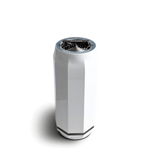

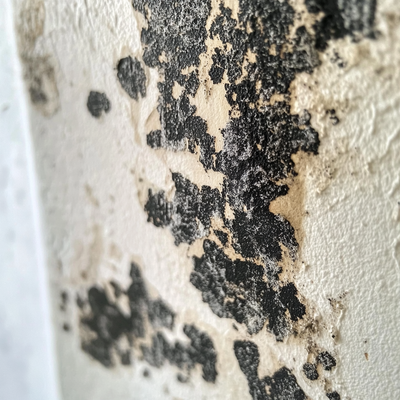

When Should You Replace Your Air Purifier Filter?
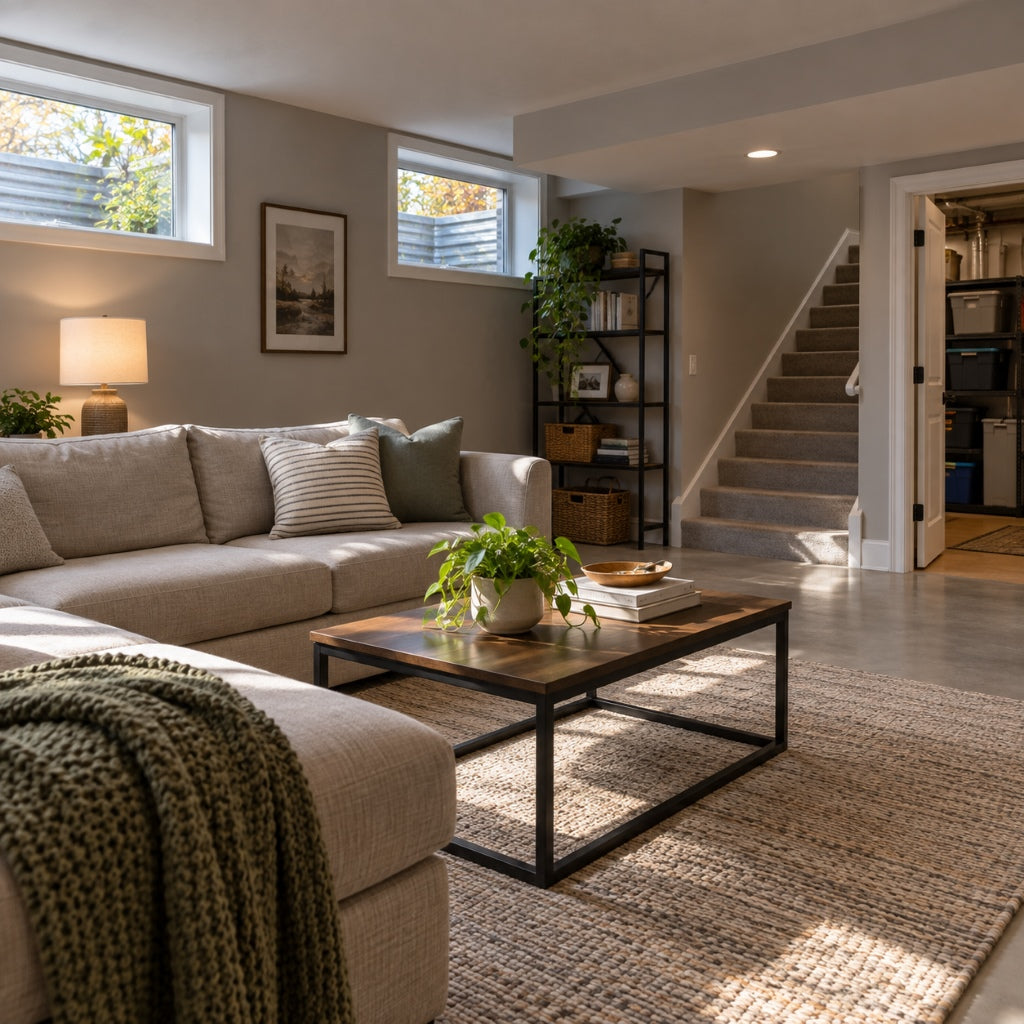
Your air purifier works continuously to circulate and clean indoor air, but its filter has a limited service life. Knowing when to replace your air purifier filter can help maintain proper airflow, filtration performance, and overall system operation.
Filter maintenance becomes especially important as the seasons change. Fall can bring more time indoors, changing humidity levels, and increased pollen entering the home. If your air purifier has been running throughout spring and summer, early fall is a good time to check the filter and review your replacement schedule.
For homeowners using a Puraclenz Core, we recommend replacing the filter every 4–6 months, depending on the air quality of the installation space and assuming continuous 24/7 operation. The Puraclenz Core also includes indicator lights that notify you when it is time to order and replace the filter.

Why Do Air Purifier Filters Need to Be Replaced?
An air purifier filter captures airborne particles as air moves through the system. Over time, dust, pollen, pet dander, allergens 4, smoke particles, and other pollutants can accumulate within the filter.
As this buildup increases, airflow through the filter can become restricted. A filter that has reached the end of its recommended service life may affect how efficiently air moves through the purifier.
Replacing the filter according to the manufacturer's recommendations is an important part of routine air purifier maintenance. Regular replacement helps maintain the airflow and filtration performance the system was designed to provide.
How Often Should You Replace an Air Purifier Filter?
There is no single filter replacement schedule that applies to every air purifier. Filter life can depend on the purifier, operating conditions, indoor air quality, particle levels, and how frequently the system runs.
For the Core, we recommend replacing the filter every 4–6 months with continuous 24/7 operation. The exact timing may vary depending on the air quality of the installation space.
A busy household, a home with higher levels of airborne particles, or an environment with elevated pollen may require closer attention to filter condition than a relatively low-particle environment.
Rather than relying only on the calendar, pay attention to the filter indicator, inspect the filter when recommended, and watch for changes in your purifier's airflow or operation.
5 Signs It May Be Time to Replace Your Air Purifier Filter
1. The Filter Indicator Signals a Replacement
For Core owners, the built-in indicator lights provide a convenient maintenance reminder. We recommend replacing the Core filter every 4–6 months with continuous use, and the indicator lights notify users when it is time to order and change the filter.
If the indicator reaches the replacement stage, follow the recommended maintenance procedure rather than continuing to use the same filter indefinitely.
2. Airflow Seems Reduced
Reduced airflow can be one of the most noticeable signs of filter buildup. As particles accumulate within the filtration media, air may have more difficulty passing through the filter.
If your air purifier does not seem to be moving air as effectively as usual, inspect the filter and review the recommended replacement schedule.
3. The Filter Looks Heavily Loaded
A visual inspection can provide another useful maintenance check. If the filter appears heavily loaded with dust and debris, it may be approaching the end of its useful service period.
We recommend checking the Core filter when the yellow replacement indicator appears. In environments with higher particle loads, the filter may need attention sooner.
4. You Notice More Dust Indoors
If you begin noticing more visible dust settling throughout your home, it may be worth checking your air purifier filter along with other potential indoor air quality factors.
Keep in mind that an air purifier is only one part of an indoor air quality routine. Regular cleaning, HVAC maintenance, and keeping vents and air pathways clear can also help manage indoor particles.
5. Your Home Has Higher Seasonal Particle Levels
Seasonal changes can affect the amount of pollen and other outdoor particles entering your home. Pollen can come indoors through open doors and windows and can also be carried inside on clothing, shoes, and other items.
Dust and pollen may also accumulate within HVAC systems over time, making HVAC maintenance another consideration when reviewing your home's seasonal indoor air quality routine.
What Does the Core Filter Do?
The Core combines multiple air purification technologies in one system, including an H13 True HEPA filter, activated carbon, UV-C, and photocatalytic oxidation (PCO).
The H13 True HEPA filter is designed to trap 99.97% of dust, pollen, pet dander, allergens 4, bacteria 3, and mold 1 down to 0.1 micron.
The activated carbon component addresses odors and volatile organic compounds (VOCs), while the system's PCO and UV-C technologies provide additional pollutant treatment. The Core is designed for continuous 24/7 operation.
Because the filter plays an important role in the overall system, regular filter replacement should remain part of your ongoing air purifier maintenance routine.
Is an Air Purifier With a HEPA Filter Enough?
When shopping for an air purifier, many people begin by looking for a model with a HEPA filter. HEPA filtration is an important consideration because mechanical filtration can capture airborne particles as they pass through the filter.
However, air purification systems can use different combinations of technologies. The Core combines H13 True HEPA filtration with activated carbon, UV-C, and PCO purification.
Understanding the technologies inside an air purifier can help you compare systems based on the pollutants you want to address, room size, operating costs, noise levels, and ongoing maintenance requirements.
Are Air Purifiers Worth It If You Have to Replace the Filter?
Replacing filters is a normal part of owning many air purification systems. When deciding whether an air purifier is worth it for your home, it is helpful to consider more than the initial purchase price.
Factor in filter replacement intervals, replacement-part costs, energy use, operating noise, coverage area, and the purification technologies included in the system.
Air purifier maintenance also does not have to be complicated. Setting a recurring reminder based on the recommended replacement interval can make it easier to stay on schedule.
How to Replace Your Core Filter
Replacing the Core filter is designed to be a straightforward maintenance task. Before beginning, turn the unit off and unplug it from its power source.
- Turn off and unplug the Core.
- Locate the lock on the base of the unit.
- Slide the lock mechanism to the left to unlock the unit.
- Lift the top of the unit by the top rim.
- Remove the used filter.
- Place the new filter in the same position as the original.
- Replace the top of the unit.
- Slide the lock mechanism back into position.
After installing the replacement filter, follow the instructions for resetting the filter timer or indicator as applicable.
Does Filter Maintenance Matter for a Quiet Air Purifier?
Noise level is another important consideration when choosing an air purifier for a bedroom, office, or other frequently occupied space. A quiet air purifier may be especially desirable when the system operates for long periods or overnight.
The Core is designed for continuous operation and has a published sound range of 23–49 dBA depending on operating conditions and fan speed.
Because filter condition can affect airflow, regular maintenance is also worth considering when evaluating long-term operation. Keeping the filter on its recommended replacement schedule helps the system continue operating as intended.
When Should You Check Your Air Purifier Filter?
The beginning of fall is a convenient time to review your air purifier maintenance routine. If your system has been operating continuously throughout spring and summer, the filter may be approaching its recommended replacement window.
Consider checking your air purifier filter when:
- The filter indicator signals that replacement is approaching.
- The recommended 4–6 month replacement period has passed for a Core operating continuously.
- The filter appears heavily loaded with dust or debris.
- Airflow seems lower than usual.
- Your home has experienced higher levels of pollen or airborne particles.
- You are completing other seasonal HVAC or indoor air quality maintenance.

Add Air Purifier Filter Replacement to Your Seasonal Maintenance List
Replacing an air purifier filter does not need to become an afterthought. Adding filter checks to your seasonal home maintenance checklist can make it easier to keep your air purification system operating as intended.
For Puraclenz Core owners, we recommend replacing the filter every 4–6 months with continuous 24/7 operation, with indicator lights providing an additional reminder. Checking the filter, monitoring airflow, and following the recommended replacement guidance are simple steps that can support consistent system performance.
Whether you are comparing air purifiers for a larger space or looking for a system that combines multiple purification technologies, remember to factor ongoing filter maintenance into your decision. The Puraclenz Core combines multiple purification technologies with a straightforward filter maintenance schedule, making year-round air purification easier to manage.
Frequently Asked Questions About Air Purifier Filter Replacement
How often should I replace my Puraclenz Core filter?
We recommend replacing the Puraclenz Core filter every 4–6 months depending on the air quality of the installation space, assuming continuous 24/7 operation.
Can I wait until my air purifier filter looks dirty?
The filter indicator and recommended replacement interval should be your primary maintenance guides. We also recommend checking the Core filter when the yellow replacement indicator appears, particularly in environments with higher particle loads.
Does pollen affect air purifier filter life?
Higher levels of airborne particles such as pollen can contribute to particle buildup within a filter. If your home experiences elevated seasonal pollen levels, monitor your filter and follow the recommended replacement guidance.
Does the Puraclenz Core use a HEPA filter?
Yes. The Puraclenz Core uses an H13 True HEPA filter as part of its 2-in-1 True HEPA and PCO purification system.
Is filter replacement part of normal air purifier maintenance?
Yes. For air purifiers that use replaceable filters, routine filter replacement is an important part of maintaining the system according to its specifications.
What happens if you do not replace an air purifier filter?
As airborne particles accumulate within a filter, airflow may become increasingly restricted. Following the recommended replacement schedule helps maintain the airflow and filtration performance the purifier was designed to provide.
Recommended products

Core Air & Surface Purifier + HEPA
$649.99
Recommended articles

