 Free Shipping
 2-Year Warranty
 30-Day Money Back Guarantee



UV Air Purifiers: Understanding UV-C and Indoor Pollutants

UV light air purifiers are becoming more common as homeowners look for additional ways to address indoor pollutants. However, not every UV-based system functions the same way. Understanding how a UV-C air purifier works, where UV-C is placed, and how it integrates with other purification technologies is essential for meaningful performance.
What Is UV-C Light in an Air Purifier?
Ultraviolet light is divided into UVA, UVB, and UV-C wavelengths. UV-C is the shortest wavelength and is commonly used inside air purification systems. In an air purifier with ultraviolet technology, UV-C is used within a controlled environment where air passes through a dedicated treatment area.
A UV-C air purifier does not purify an entire room through light exposure alone. Its effectiveness depends on airflow design, exposure time, and integration with filtration.
How a UV-C Air Purifier Works
In a well-designed UV-C air purifier, air is drawn into the unit and guided through multiple purification stages. As pollutants move through the system, UV-C light interacts with biological material during this controlled passage.
Systems that rely on exposed UV-C light in open spaces often face limitations. Enclosed UV-C chambers provide consistent exposure and allow the air purifier to function predictably under real-world conditions.

Indoor Pollutants Addressed by UV Light Air Purifiers
Indoor air contains a mixture of particulate and biological pollutants. When paired with filtration, a UV light air purifier can contribute to reducing biological activity within the system.
These pollutants include mold 1 spores, bacteria 3, viruses 2, and other organic material that can circulate through indoor air and accumulate in filters.
Mold and Mycotoxins in the Indoor Environment
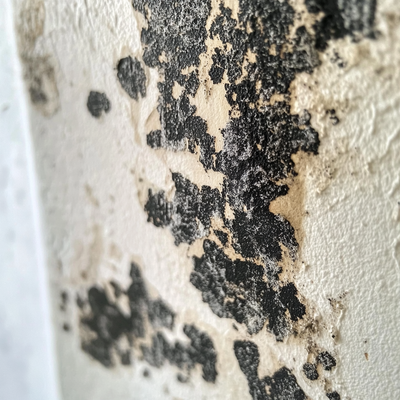
Mold 1 releases spores that travel easily through indoor air. These spores can remain airborne for long periods and contribute to ongoing indoor air quality concerns.
Mycotoxins are secondary compounds associated with certain mold 1 species. While a UV-C air purifier is not positioned as a direct treatment for mycotoxins in open air, reducing airborne mold 1 spores and limiting biological buildup within the purifier supports broader mold management strategies.
Why the Best UV-C Air Purifier Uses More Than UV Light
UV-C light alone has limitations. Air moves quickly through most residential systems, which limits contact time. UV-C also does not capture particles or address pollutants that settle on surfaces.
The best UV-C air purifier combines ultraviolet technology with high-efficiency filtration and complementary purification methods.
How Puraclenz Core Uses UV-C Inside a Sealed System
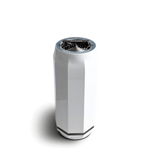
Puraclenz Core is an air purifier with ultraviolet technology that places UV-C light inside a sealed filter cabinet. Air first passes through a HEPA filter, where fine particles are captured. UV-C then supports the reduction of biological activity on trapped pollutants within the system.
This enclosed approach allows UV-C to function consistently without relying on room exposure, making it a more effective and controlled application.
Combining UV-C, HEPA, and PCO Purification
Puraclenz Core uses multiple purification stages to address a wide range of indoor pollutants. HEPA filtration captures particulate matter, including dust, pollen, mold 1 spores, bacteria 3, and allergens 4.
UV-C works inside the filter cabinet, while PCO purification helps reduce pollutants in the air and on exposed surfaces. This layered design delivers broader coverage than a UV light air purifier alone.

What to Look for When Choosing a UV Light Air Purifier
When evaluating options, consumers should look for enclosed UV-C placement, integration with HEPA filtration, independent testing, and realistic performance claims. The presence of UV light alone does not determine effectiveness.
When a UV-C Air Purifier Makes Sense for the Home
A UV-C air purifier can be beneficial in homes with ongoing mold 1 concerns, damp areas such as basements, or elevated biological pollutant levels. When used as part of a layered purification approach, UV-C contributes to improved indoor air quality over time.
Conclusion
UV light air purifiers play a supporting role in addressing indoor pollutants when designed correctly. By integrating UV-C with HEPA filtration and PCO purification, Puraclenz Core demonstrates how an air purifier with ultraviolet technology can deliver meaningful performance through system design rather than relying on UV-C alone.
Recommended products

Core Air & Surface Purifier + HEPA
$649.99
Recommended articles

