 Free Shipping
 2-Year Warranty
 30-Day Money Back Guarantee

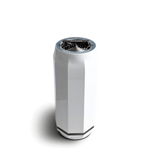

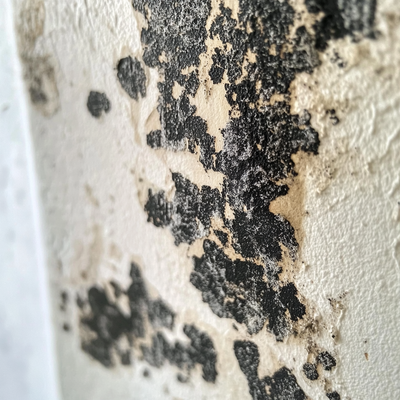
Why Independent Testing Matters: Understanding Puraclenz’s Lab Results
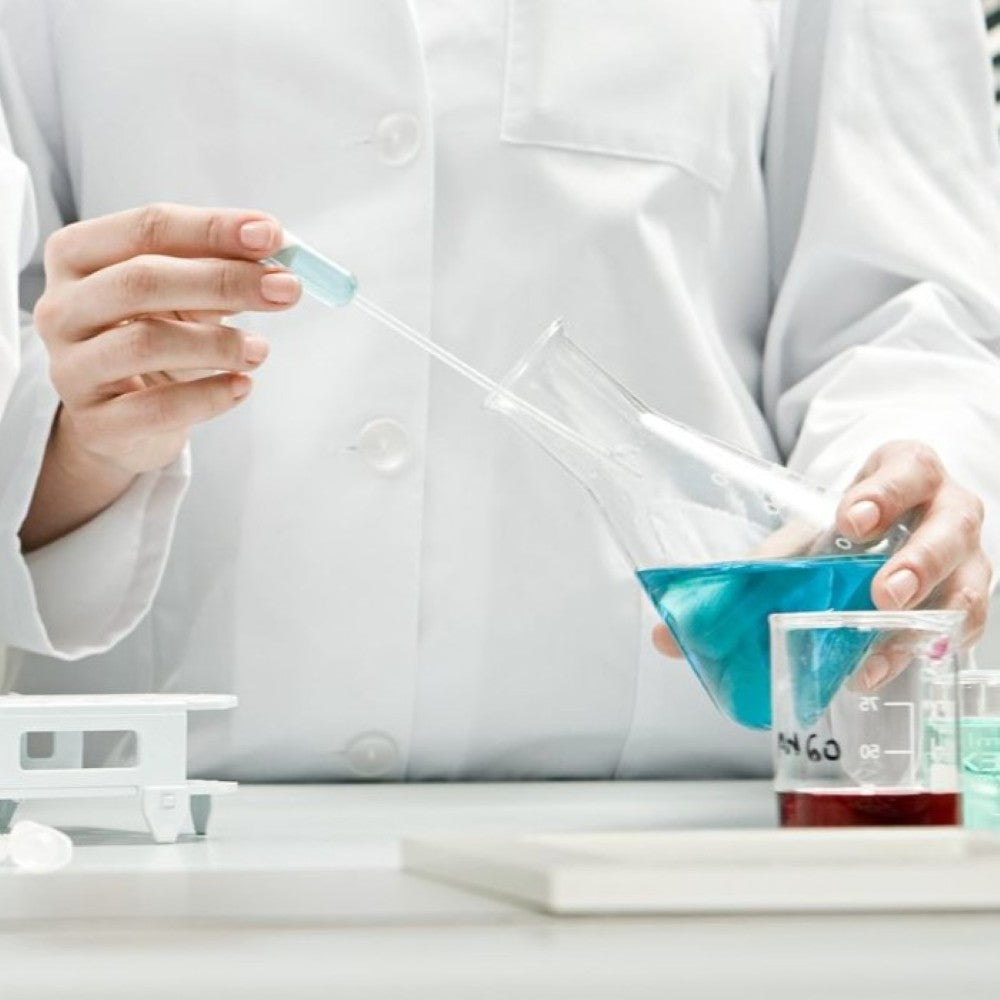
hen you compare indoor purification technologies, it can be hard to know which performance claims to trust. Independent laboratory testing gives you objective data showing how a device performs in controlled conditions. Puraclenz invests in third-party studies to measure how its patented PCO purification reduces pollutants in the air and on surfaces. These findings show how Puraclenz purification performs in laboratory testing and how both Puraclenz purifiers operate as whole house air purifiers using ionic air purifier technology, with the Core also providing HEPA filtration.
You can review the full library of reports and certifications on the Scientific Proof page.
How Puraclenz Purification Is Tested
Independent laboratories tested Puraclenz using a model built with the same Recharge Cell technology used in Core and Photon units. Pollutants were introduced into sealed chambers, both in the air and on test plates positioned several feet away from the device. The labs then measured how concentrations changed while Puraclenz was running.
These studies focus on pollutants such as mold 1 spores, viruses 2, and bacteria 3. The tests are designed to show not just what happens near the device, but also what happens across the room where you actually live and breathe.
Mold Aerosol and Surface Tests
In an aerosol chamber study, Puraclenz was 95.1% effective at reducing dangerous mold Aspergillus brasiliensis in the air. This black mold endospore is known to cause strong allergic reactions. You can review the full results in the Mold Aerosol Lab Report.
For surfaces, an independent lab found Puraclenz was 99.75% effective at reducing Candida albicans mold spores from surfaces. Plates with live mold spores were placed more than eight feet away from the purifier during the test. Full details are available in the Mold Surface Lab Report.
Virus Aerosol and Surface Tests
In aerosol testing with MS2, an FDA-recognized surrogate for the virus that causes COVID-19, Puraclenz was 99.4% effective at reducing MS2 virus 2 in the air. The chamber was seeded with MS2 and reductions were measured while Puraclenz operated. You can see the full data in the Virus Aerosol Lab Study.
For surfaces, a large-room study challenged Puraclenz with SARS-CoV-2 virus plates located about ten feet from the device, even with high levels of fresh air being introduced. The lab recorded Puraclenz as 58% effective at reducing SARS-CoV-2 on surfaces. Full methodology and results are shown in the Virus Surface Lab Study.
Bacteria Aerosol and Surface Tests
In aerosol testing with Methicillin-Resistant Staphylococcus epidermidis (MSRE), a surrogate for several dangerous bacteria, Puraclenz was 99.7% effective at reducing MSRE bacteria in the air. Results and test conditions are detailed in the Bacteria Aerosol Lab Report.
On surfaces, testing with Staphylococcus aureus, an FDA-recognized surrogate for multiple dangerous bacteria, showed Puraclenz was 95% effective at reducing Staphylococcus aureus on surfaces. Plates were placed more than eight feet away from the device during the test. You can read the full findings in the Bacteria Surface Lab Report.
Why These Results Matter Compared to Other Purifiers
A traditional air purifier with a HEPA filter captures pollutants that pass directly through the filter. This can be a powerful tool for improving indoor air quality, but it is largely limited to the air that flows through the device itself.
A typical ionic air purifier generates ions, but some legacy designs have raised concerns about ozone and unwanted byproducts produced during operation.
Puraclenz uses a patented PCO purification process that is different from both of these approaches. The Recharge Cell creates ions that travel throughout the room to deactivate pollutants mid-air and on exposed surfaces, while meeting strict zero-ozone standards. This makes Puraclenz a strong complement to filtration-based systems and an important part of a broader whole house air purifier strategy.

Emissions and Certification Testing
It is important to understand not only how well a purifier performs, but also how it behaves during operation. Independent emissions studies confirm that Puraclenz does not create harmful VOC by-products or ultrafine particles. In a controlled 30 cubic meter chamber study, a P3000 unit produced no harmful VOC by-products or ultrafine particles while reducing VOCs such as Formaldehyde, Toluene, and D-limonene. Full details can be reviewed in the No VOC By-Products Lab Report.
Puraclenz units are UL2998 certified for zero ozone emissions and comply with California Air Resources Board (CARB) ozone limits. The official certification is available on the Zero Ozone Certificate page. Intertek independently tested the devices and provided ETL-US Listing confirming conformance with UL507 electrical safety standards. Puraclenz purifiers also meet FCC compliance requirements and adhere to RoHS and California Proposition 65 standards.
How to Use Independent Data When You Shop
When you are evaluating purification options for your home, independent data can guide the decision. Here are a few questions to ask as you compare technologies:
- Was the device tested by independent laboratories, and are full reports available?
- Were pollutants tested both in the air and on surfaces several feet away from the device?
- Does the purifier have certifications confirming zero ozone emissions?
- Has the technology been evaluated for harmful VOC byproducts and ultrafine particle formation?
- How does the technology complement filtration, ducted systems, or your existing whole house air purifier approach?
Puraclenz is designed to work alongside an air purifier with a hepa filter, central HVAC filtration, or other systems you already use. The independent testing on mold 1 spores, viruses 2, and bacteria 3, combined with zero-ozone and emissions certifications, gives you clear insight into how the technology performs.
To dive deeper into the data, download the full reports and view all certifications on the Scientific Proof page.
Recommended products

Core Air & Surface Purifier + HEPA
$649.99

Photon Air & Surface Purifier
$399.99
Recommended articles

