 Free Shipping
 2-Year Warranty
 30-Day Money Back Guarantee


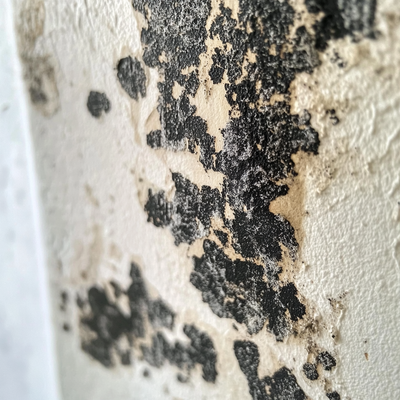

Spring Humidity and Mold 1. What You Need to Know
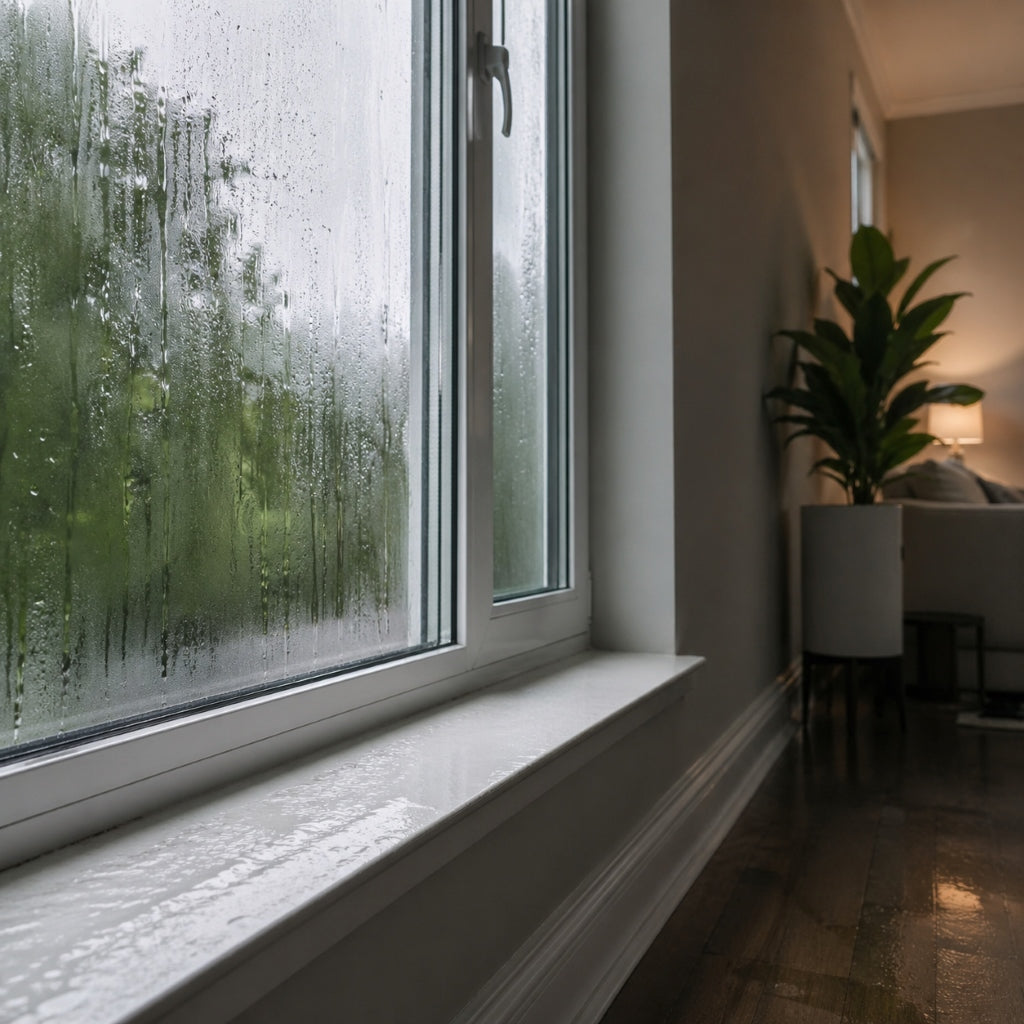
Spring often brings warmer temperatures, rain, and rising indoor moisture levels. While the season feels refreshing, it also creates the perfect environment for mold 1 growth inside homes. Understanding how spring humidity mold risks develop can help you take the right steps to manage indoor air and surfaces before problems spread.
Why Spring Humidity Increases Mold 1 Risk
As outdoor temperatures rise, air holds more moisture. When that moisture enters your home through open windows, damp basements, or poor ventilation, indoor humidity levels can climb quickly. Mold 1 thrives in environments where humidity exceeds 60%, especially in darker, low-airflow areas like basements, bathrooms, and crawl spaces.
Spring rain and melting snow can also introduce hidden moisture into walls and flooring. Over time, this trapped moisture creates ideal conditions for mold 1 to grow and spread.

Common Areas for Basement Mold 1 in Spring
Basements are especially vulnerable during spring due to their naturally cooler temperatures and higher moisture levels. Basement mold 1 often appears in:
- Foundation walls after snowmelt or rain
- Carpeted floors exposed to damp air
- Stored items like cardboard boxes or fabric
- Areas with poor ventilation or airflow
Even if mold 1 is not immediately visible, elevated humidity can allow spores to circulate through your indoor air.
Mold 1 Risk and Indoor Air Quality
Mold 1 doesn’t just stay on surfaces. Spores become airborne and move throughout your home, contributing to poor indoor air quality. These airborne particles can settle on furniture, fabrics, and HVAC systems, making the issue harder to manage over time.
Humidity plays a critical role here. Higher moisture levels not only encourage mold 1 growth but also help spores spread more easily from one area to another.
Do Air Purifiers Help With Mold 1?
A common question homeowners ask is: do air purifiers help with mold 1? The answer depends on the type of technology used.
Traditional systems with HEPA filtration can capture airborne mold 1 spores, but captured particles may remain on the filter. In some cases, moisture buildup inside the unit can allow spores to accumulate over time if not properly maintained.
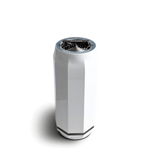
More advanced systems combine multiple technologies to address both airborne particles and surface-level contamination. This is where the Puraclenz Core stands out as a mold air purifier solution designed for real-world environments.
How the Puraclenz Core Supports Mold 1 Control
The Puraclenz Core is designed as a comprehensive air purifier for mold 1, combining several layers of purification to address indoor air and surfaces.
Its multi-stage system includes:
- PCO purification that produces ions to reduce mold 1 spores in the air and on surfaces
- True HEPA filtration that captures particles like mold 1, dust, and allergens 4
- Activated carbon to help manage VOCs and odors
- UV-C technology to further break down pollutants within the system
This combination allows the Core to go beyond simple filtration by addressing mold 1 spores both in the air and on exposed surfaces throughout your home.
For homeowners asking questions like “can an air purifier help with mold 1” or “will an air purifier help with mold 1,” systems that combine filtration with active purification offer a more complete approach.
Managing Spring Humidity Mold 1 Risk
Reducing mold 1 risk in spring starts with controlling moisture levels and improving air circulation. Consider these strategies:
- Keep indoor humidity below 50–60%
- Use dehumidifiers in damp areas like basements
- Fix leaks and dry wet materials quickly
- Increase airflow with fans or ventilation
- Use air purifiers for mold 1 to reduce airborne particles
These steps work together to create an environment where mold 1 is less likely to grow and spread.

Choosing the Best Air Purifier for Mold 1
When evaluating the best air purifiers for mold 1, it’s important to look beyond basic filtration. A mold removal air purifier should address:
- Airborne mold 1 spores
- Surface contamination
- Odors and VOCs associated with damp environments
- Continuous operation for ongoing air quality management
The Puraclenz Core is designed to meet these needs, offering coverage for larger spaces while continuously working to reduce indoor pollutants linked to spring humidity mold conditions.
Final Thoughts on Spring Humidity and Mold 1
Spring humidity mold risks often go unnoticed until visible signs appear. By understanding how moisture impacts indoor environments, you can take early action to manage both air and surfaces.
Combining humidity control with advanced air purification helps create a more balanced indoor environment during seasonal transitions. Whether you’re dealing with basement mold 1 in spring or looking for the best air purifier for mold 1, a proactive approach makes a measurable difference.
Recommended products

Core Air & Surface Purifier + HEPA
$649.99
Recommended articles

