 Free Shipping
 2-Year Warranty
 30-Day Money Back Guarantee



End-of-Summer Indoor Air Quality Checklist: Prepare Your Home for Fall
As summer winds down and fall approaches, your home's indoor air quality can begin to change. Windows may stay closed more often, air conditioning may continue running, and months of accumulated dust, pollen, odors, and other indoor pollutants can become more noticeable.
An end-of-summer indoor air quality checklist can help you reset your home's indoor environment before September. From checking HVAC filters and moisture-prone areas to cleaning accumulated dust and evaluating your air purification setup, these simple indoor air quality tips can help prepare your home for the fall season.

1. Check Your HVAC Filter
Your HVAC system circulates air throughout your home, making the filter one of the first places to check as summer comes to an end. A dirty or overdue filter can restrict airflow and reduce the system's ability to capture airborne particles.
Inspect the filter for visible dust buildup and follow the manufacturer's recommended replacement schedule. Homes with pets, frequent HVAC use, or elevated outdoor pollution may require more frequent filter inspections.
While you're checking the filter, inspect return vents and registers as well. Remove accumulated dust and make sure furniture, curtains, or other objects are not blocking airflow.
2. Inspect Moisture-Prone Areas
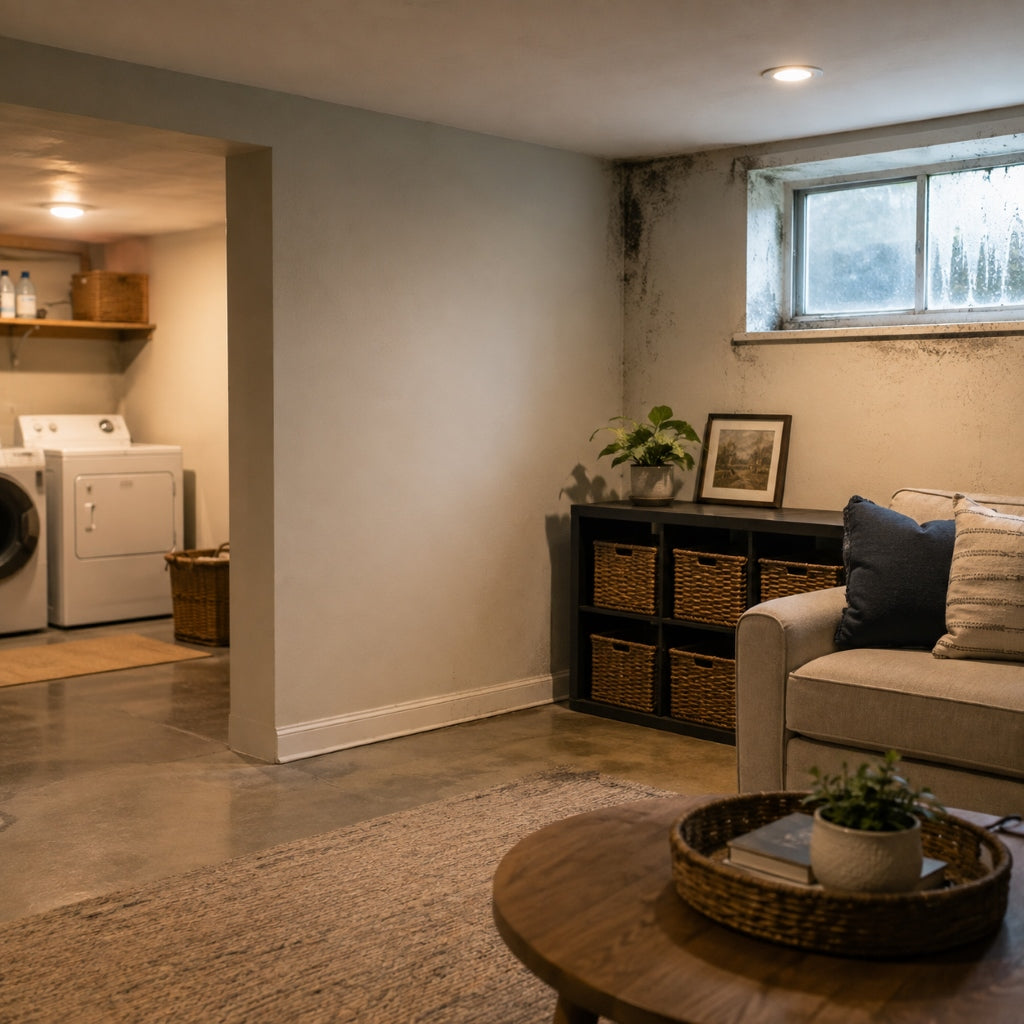
Warm, humid summer conditions can allow moisture to accumulate in bathrooms, basements, laundry rooms, around windows, and other areas where condensation commonly develops.
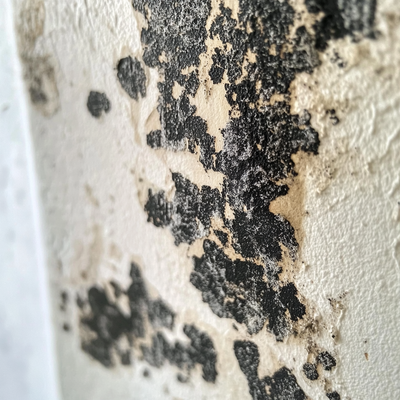
Check these spaces for damp materials, persistent musty odors, or visible mold 1 growth. Addressing the source of excess moisture is an important part of maintaining a healthier indoor environment.
Pay particular attention to areas around air conditioning equipment, pipes, windows, and other surfaces where condensation may form. If you discover an ongoing moisture problem, correcting the underlying source should be the priority.
3. Clean Dust-Prone Areas
Dust can accumulate in areas that are easy to overlook during routine cleaning. Before summer ends, check ceiling fans, air vents, registers, baseboards, window coverings, shelves, and underneath furniture.
Removing accumulated dust helps reduce the amount of particulate material available to become airborne again through normal household activity.
Pay special attention to bedrooms, living areas, home offices, and other spaces where people spend significant amounts of time. Rather than trying to clean everything at once, create a simple monthly cleaning routine that makes indoor air quality maintenance easier to manage.
4. Reduce Pollen and Indoor Allergens
Summer pollen and other outdoor particles can enter your home through open windows and doors or be carried indoors on clothing, shoes, and pets. Once inside, these particles can settle on floors, furniture, bedding, and other surfaces before becoming airborne again.
Regular vacuuming, washing bedding, wiping frequently used surfaces, and cleaning pet areas can help reduce accumulated pollen and other indoor allergens.
When outdoor air quality or pollen levels are poor, keeping windows closed can also help limit the amount of outdoor material entering your home.
5. Evaluate Your Air Purification Setup
An air purifier can be another useful component of an indoor air quality routine. If you're wondering whether an air purifier is worth it, consider the pollutants you want to address, the size and layout of your space, the purification technology used, and how consistently you plan to operate the unit.
Some air purifiers primarily focus on particle filtration, while systems that combine multiple purification technologies can address a broader range of indoor pollutants.
Puraclenz Core combines True HEPA filtration, activated carbon, UV-C, and photocatalytic oxidation (PCO) technology. Its H13 True HEPA filter traps 99.97% of dust, pollen, pet dander, allergens 4, bacteria 3, and mold 1 down to 0.1 micron. Its PCO technology works continuously to address pollutants in the air and on surfaces.
For homeowners looking for an air purifier with a HEPA filter, Core combines True HEPA filtration with PCO purification in one system.
6. Check Your Air Purifier Filter and Settings
If you already use an air purifier, the end of summer is a good time to inspect its filter, check its settings, and confirm that the unit is operating as expected.
Core filters are designed to be replaced every 4–6 months depending on the air quality of the installation space, assuming continuous 24/7 use. Core also includes indicator lights that notify users when it is time to order and replace the filter.
If you've recently moved your air purifier, review its placement as well. Furniture, walls, curtains, and other objects can restrict airflow, so position the purifier where air can circulate freely around the unit.
7. Consider Whether You Need Air and Surface Purification
Some indoor air quality concerns extend beyond airborne particles. Persistent musty odors or concerns involving surfaces as well as the air may make an air and surface purification system worth considering.
Puraclenz Photon P3000X uses patented PCO purification technology to produce ions that dynamically deactivate pollutants in the air and on surfaces. The system is designed for spaces up to 3,000 square feet and includes five fan speeds along with a Dark Mode for quieter operation and reduced light.
Photon also includes a 4-hour Boost Mode for situations that call for more intensive purification. Its continuous-cleaning operation is designed to run 24/7 while reducing pollutants.
8. Investigate Persistent Indoor Odors
Lingering odors can be a useful sign that an area of your home needs attention. Musty smells may indicate excess moisture, while cooking, pets, smoke, and household chemicals can all contribute to persistent indoor odors.
Start by identifying and addressing the source rather than relying solely on an air purifier to mask or manage the smell. Improve ventilation when appropriate, clean the affected area, and investigate moisture or other underlying causes.
For additional odor management, Core combines activated carbon with True HEPA, UV-C, and PCO technology. Core is designed to address pollutants including odors, VOCs, smoke, dust, pet dander, and pollen.
9. Choose an Air Purifier That Fits Your Daily Routine
Consistency is important when building an effective indoor air quality routine. If purifier noise makes you less likely to operate a unit continuously, consider a quieter air purifier for bedrooms, offices, or other frequently occupied spaces.
Photon offers five fan speeds and Dark Mode, allowing users to adjust airflow, noise, and lighting according to their preferences. These features can make continuous operation easier to incorporate into everyday life.
The best air purifier for your home is ultimately one that matches your room size, indoor pollutant concerns, preferred purification technology, maintenance requirements, and daily routine.
10. Create a Monthly Indoor Air Quality Routine for Fall
Once you've completed your end-of-summer inspection, turn these steps into a simple monthly indoor air quality checklist. Regular maintenance makes it easier to stay ahead of dust, moisture, odors, pollen, and purifier maintenance throughout the fall season.
Your monthly indoor air quality routine might include:
- Inspecting HVAC filters
- Checking bathrooms, basements, and other moisture-prone areas
- Cleaning vents, registers, and ceiling fans
- Vacuuming floors and upholstered surfaces
- Washing bedding and cleaning pet areas
- Checking air purifier filters and indicator lights
- Investigating persistent indoor odors
- Reviewing purifier placement and operating settings
If your home uses more than one air purifier, consider the size, layout, and airflow of each space rather than simply adding units. Strategic placement can help ensure purification is focused where it is most useful.
Core vs. Photon: Which Is Right for Your Home?
Both Core and Photon use PCO purification technology, but each system offers different capabilities.
Core is a 2-in-1 True HEPA and PCO system that also incorporates activated carbon and UV-C technology. It is designed to address a broad range of indoor pollutants, including dust, pollen, pet dander, VOCs, smoke, odors, allergens 4, bacteria 3, viruses 2, and mold 1.
Photon is an air and surface purifier designed for spaces up to 3,000 square feet. Its PCO technology dynamically deactivates pollutants in the air and on surfaces, while five fan speeds and a 4-hour Boost Mode provide additional operating flexibility.
If your priority is particle filtration combined with PCO purification, Core may be the better fit. If you're looking for air and surface purification across a larger space, Photon offers a different approach.

Final End-of-Summer Indoor Air Quality Checklist
As August comes to a close, a few simple maintenance tasks can help prepare your home for fall. Check your HVAC filter, inspect moisture-prone areas, clean dust-collecting surfaces, reduce accumulated pollen and allergens, investigate persistent odors, and make sure your air purifier is properly maintained.
Whether you use a traditional filtration system or a multi-technology air purifier, consistency is an important part of indoor air quality maintenance. The end of summer is a natural time to review what's working, address areas that need attention, and establish a routine that carries into September and throughout the fall.
With Puraclenz Core's True HEPA, activated carbon, UV-C, and PCO technologies and Puraclenz Photon's air and surface PCO purification, you have options for incorporating continuous purification into your home's indoor air quality routine.
Recommended products

Core Air & Surface Purifier + HEPA
$649.99

Photon Air & Surface Purifier
$399.99
Recommended articles

