 Free Shipping
 2-Year Warranty
 30-Day Money Back Guarantee



Can HVAC Systems Spread Fall Allergens Throughout Your Home?
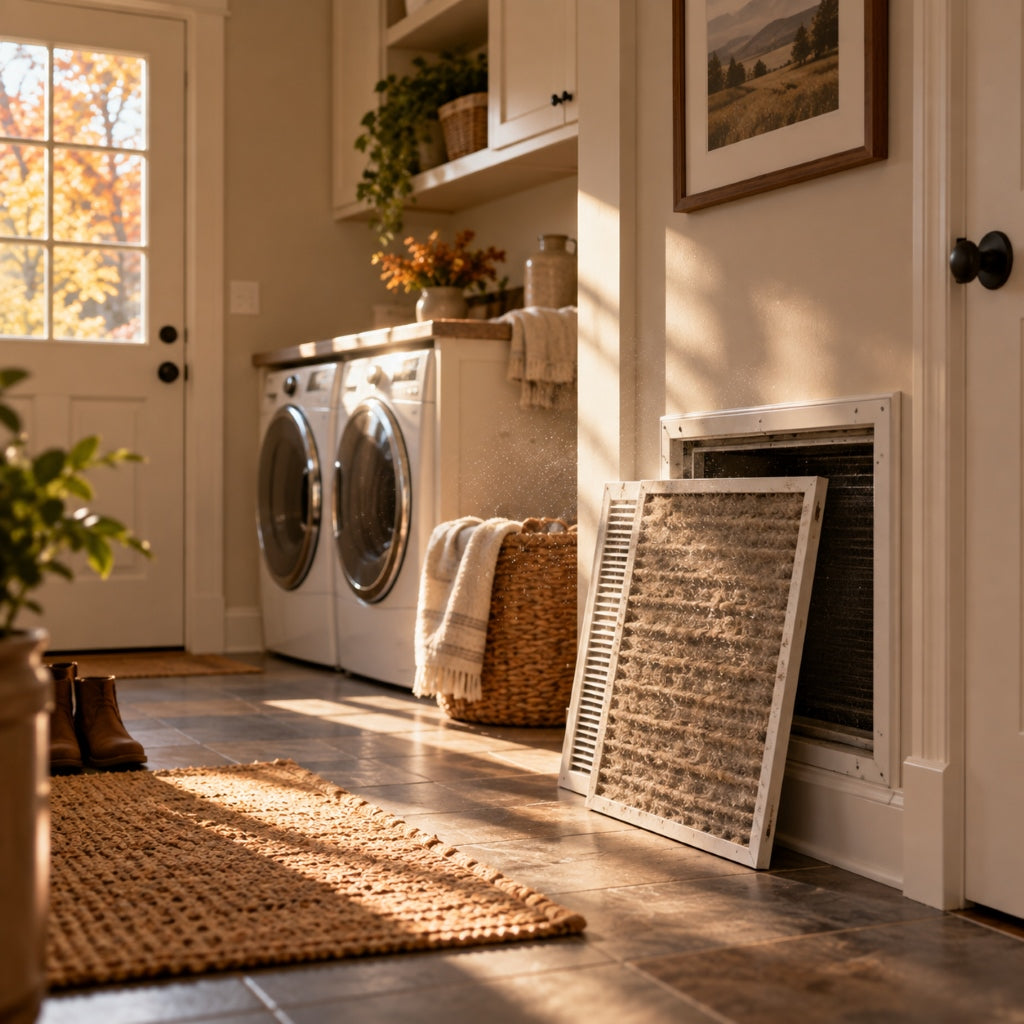
When fall arrives, windows may stay closed more often while heating systems begin running more regularly. At the same time, seasonal pollen can enter your home through doors, windows, clothing and shoes. Once these airborne particles make their way indoors, your HVAC system can potentially circulate them from room to room.
So, can HVAC systems spread fall allergens 4 throughout your home? Yes, HVAC systems can circulate airborne particles that enter the system or become suspended indoors, particularly when air repeatedly moves through shared ductwork.
Understanding the relationship between HVAC systems, air ducts, pollen and indoor air filtration can help you create a practical indoor-air routine for fall.
How HVAC Systems Can Circulate Fall Allergens 4
A central HVAC system continuously moves air between your living spaces and the heating or cooling equipment. Return vents draw indoor air into the system, where it passes through the HVAC filter before being distributed back through supply registers.
If pollen and other airborne particles enter your home, some may eventually reach the return registers. Depending on the condition and efficiency of your HVAC filter, some particles may be captured while others can remain airborne or continue moving through the system.
The EPA notes that HVAC components can become contaminated with dust, pollen and other debris when systems are not properly installed, maintained or operated. The agency also recommends using the highest-efficiency filter recommended by the HVAC manufacturer and replacing filters regularly.

Why Fall Can Bring More Pollen Indoors
Seasonal pollen does not always stay outside. Pollen can enter when doors and windows are opened, and particles may also be carried indoors on clothing, shoes and other objects.
Once indoors, pollen and other particles can settle on floors, furniture and household surfaces. Everyday activity can disturb this material and cause some particles to become airborne again.
For this reason, an air purifier can be considered as part of a broader indoor-air strategy during periods of elevated seasonal pollen.
What Happens When Pollen Gets Into Air Ducts?
The presence of pollen in or around ductwork does not automatically mean your entire HVAC system is contaminated. The EPA explains that much of the dirt found inside air ducts may adhere to duct surfaces rather than entering the living space. It also notes that homes can have many sources of indoor particles beyond the ductwork itself.
However, HVAC components can collect dust, pollen and other debris under certain conditions. If particles are present in areas where air is actively moving, the HVAC system may contribute to their circulation throughout the home.
That makes routine HVAC maintenance especially important as the fall heating season approaches.
Start With Your HVAC Filter
Your HVAC filter is one of the first places to check when preparing your home for fall. HVAC filters are designed to capture particles as air passes through the system.
The EPA recommends selecting a furnace or HVAC filter rated at least MERV 13, or using as high a rating as the system fan and filter slot can accommodate. Because not every HVAC system can handle the same filter specification, homeowners may need to consult an HVAC professional before upgrading.
Check your filter regularly and replace it according to the manufacturer's recommendations. A clogged or heavily loaded filter can restrict airflow and may need to be replaced more frequently.
Keep Return Vents and Registers Clear
Return registers are especially important because they draw indoor air back toward the HVAC equipment. Dust and debris can naturally accumulate around these openings over time.
Vacuuming around registers and keeping them unobstructed can be a simple part of your fall HVAC maintenance routine. The EPA notes that dusty return registers are common and can be cleaned without automatically indicating that the ductwork itself contains heavy deposits of debris.
When Should You Consider Air Duct Cleaning?
Not every home needs routine air duct cleaning. The EPA states that there is not enough evidence to recommend that air ducts be cleaned in every home on a regular schedule.
Instead, the condition of the HVAC system and circumstances inside the home should guide the decision. Visible contamination, substantial deposits of dust or debris, moisture concerns or other specific HVAC issues may justify further inspection.
If you do have your ductwork professionally cleaned, the EPA recommends making sure the service provider addresses all relevant HVAC components and is qualified to perform the work.
Can an Air Purifier Help With Fall Pollen?
An air purifier can provide an additional layer of particle filtration in the room where it operates. The EPA explains that portable air cleaners can reduce indoor air pollution and that filtration can supplement source control and ventilation. However, air cleaners cannot remove every pollutant from indoor air.
For homeowners looking for an air purifier for seasonal pollen, important considerations include how effectively the unit handles airborne particles and whether it is appropriately sized for the space.
If you are wondering, “are air purifiers worth it?” the answer depends on your indoor-air conditions, the size of the room being treated, the unit's specifications and how it fits into your overall strategy for reducing airborne particles.
What About an Air Purifier With a HEPA Filter?
A HEPA air purifier can be useful when particle filtration is a priority. The EPA identifies portable air cleaners as an option for supplemental filtration and recommends considering room size and clean air delivery rate, or CADR, when selecting a unit.
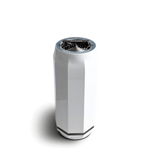
Puraclenz Core combines True HEPA filtration with PCO, activated carbon and UV-C technologies. Its H13 True HEPA filter traps 99.97% of dust, pollen, pet dander, allergens 4, bacteria 3 and mold 1 down to 0.1 micron-sized particles. The Core is a 2-in-1 True HEPA and PCO system designed to address a broad range of indoor pollutants.
For someone specifically searching for an air purifier with a HEPA filter, filtration performance, room coverage and maintenance requirements are important specifications to compare.
Where The Core Fits Into a Fall Indoor-Air Routine
The Core is designed for continuous air purification and combines multiple technologies in one unit, including PCO, activated carbon, UV-C and True HEPA filtration.
The Core addresses pollen, dust, pet dander, odors, VOCs, smoke, allergens 4 and other pollutants. Its True HEPA filter traps pollen and other airborne particles.
A portable air purifier can provide supplemental filtration in bedrooms, living areas, offices and other spaces where you spend significant time, particularly during periods when seasonal pollen levels are a concern.
The Core is designed for continuous 24/7 operation, and its filter should be replaced every four to six months depending on the air quality of the installation space and assuming continuous use.
Does a Quiet Air Purifier Matter?
If you plan to run an air purifier for extended periods, sound level can be an important practical consideration. A quiet air purifier may be easier to keep running consistently in bedrooms, offices and other frequently occupied spaces.
When comparing air purifiers, consider the manufacturer's published operating specifications along with room size, filtration technology and maintenance requirements. A unit that fits naturally into your daily routine may be easier to operate consistently.
5 Fall HVAC and Indoor-Air Steps to Take
- Check your HVAC filter. Inspect the filter before the heating season and replace it according to the manufacturer's recommendations.
- Keep return vents clear. Vacuum visible dust around registers and make sure furniture, rugs or other objects are not blocking airflow.
- Inspect accessible HVAC components. Look for visible dust, debris or moisture-related concerns that may warrant professional attention.
- Reduce indoor particle sources. Regular cleaning, vacuuming and removing tracked-in outdoor debris can reduce the amount of particulate material available to become airborne.
- Consider supplemental filtration. A portable air purifier can provide additional filtration in a specific room or area of the home.
HVAC Systems and Fall Allergens: The Bottom Line
HVAC systems are designed to circulate air throughout your home, which means airborne particles such as pollen can move between shared indoor spaces as the system operates. However, this does not mean every duct system is heavily contaminated or that air duct cleaning is necessary in every home.
A practical fall indoor-air routine starts with HVAC maintenance, appropriate filtration, regular cleaning and attention to potential indoor particle sources. A portable air purifier can provide additional room-level filtration as part of that broader approach.
For homeowners looking for an air purifier for fall pollen and allergens 4, Puraclenz Core combines H13 True HEPA filtration with PCO, activated carbon and UV-C technologies. Its H13 True HEPA filter traps pollen and other airborne particles while providing an additional layer of room-level filtration.
Managing indoor air during fall is less about relying on one device and more about combining HVAC maintenance, source control, filtration and regular household upkeep.

Frequently Asked Questions
Can HVAC systems spread pollen throughout a house?
Yes. HVAC systems circulate air between rooms, so pollen and other airborne particles that enter the indoor environment can potentially be redistributed as the system operates. How much circulation occurs depends on factors such as filtration, system condition and indoor particle sources.
Can pollen get into air ducts?
Yes. The EPA notes that HVAC components can become contaminated with dust, pollen and other debris under certain conditions. However, the presence of dust or pollen around ductwork does not automatically mean extensive air duct cleaning is necessary.
Should I clean my air ducts every fall?
Not necessarily. The EPA does not make a blanket recommendation for routine air duct cleaning. Instead, homeowners should consider the condition of the HVAC system and whether there are specific contamination, debris or moisture concerns.
Can an air purifier help with indoor pollen?
Portable air cleaners can provide supplemental filtration for airborne particles in the room where they operate. The EPA recommends considering factors such as room size and CADR when choosing a portable air cleaner.
Is a HEPA air purifier useful for pollen?
HEPA filtration is designed to capture airborne particles. Puraclenz Core uses an H13 True HEPA filter that traps pollen and other airborne particles.
Recommended products

Core Air & Surface Purifier + HEPA
$649.99
Recommended articles

