 Free Shipping
 2-Year Warranty
 30-Day Money Back Guarantee



How to Avoid Cross-Contamination Before and After Mold 1 Remediation

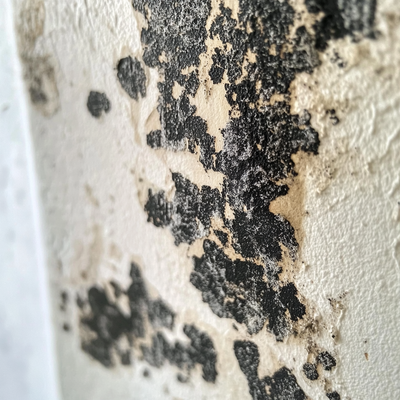
Mold remediation involves much more than removing damaged materials. Mold spores and airborne pollutants can easily move into clean rooms, leading to recurring mold stains, musty odors, and new problem areas. Homeowners often ask: can an air purifier help with mold 1 during this process? While no air cleaner replaces professional remediation, using the right purification technology can help reduce airborne pollutants before and after cleanup as part of an overall air purifier mold 1 strategy.
Below is a homeowner-friendly guide to reducing cross-contamination from start to finish, how a mold 1 air purifier fits into that plan, and where Puraclenz adds an extra layer of purification.
Why Cross-Contamination Happens
When mold colonies are disturbed, tiny spores become airborne and can move into hallways, bedrooms, and HVAC ducting. These pollutants can settle on clothing, furniture, and dust, making cleanup more challenging. This is why homeowners researching the best air purifiers for mold 1 often consider purification as part of a larger remediation plan.
How Puraclenz Supports Mold 1 Remediation
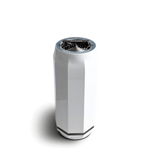
Puraclenz uses PCO purification technology that reaches both air and exposed surfaces without relying only on air passing through a filter. This makes it a powerful mold 1 air purifier option to pair with professional remediation, especially for homeowners comparing the best air purifiers for mold 1.
Puraclenz devices continuously purify occupied rooms by reducing airborne pollutants such as mold 1 spores, mildew 1, fungal allergens 1, bacteria 3, allergens 4, and viruses 2. For anyone wondering can an air purifier help with mold 1, Puraclenz provides mid-air and surface purification to support remediation work throughout the home.
Before Remediation: Prepare Your Home to Reduce Spread
1. Isolate the Impacted Area
Professionals typically set up containment walls and negative air machines to limit the movement of pollutants. Avoid entering the affected zone so mold spores are less likely to spread.
Before the remediation crew arrives, you can run Puraclenz units in nearby rooms to help reduce the background level of airborne mold 1 spores and other pollutants. This preparation step supports the overall plan to keep cleaner rooms from being impacted.
2. Turn Off HVAC Airflow in the Affected Rooms
Air circulating through the system can unintentionally move mold spores into clean areas. Close vents and keep mechanical airflow off in the contaminated zone if possible.
In rooms where the HVAC remains on, a Puraclenz purifier can help reduce pollutants that are carried into the space by normal air circulation.
3. Remove or Seal Belongings
Soft goods retain airborne pollutants.
- Remove unaffected items from the remediation zone
- Bag items that must remain in the space
- Use sealed bins for storage when possible
4. Prepare Clean Pathways
Set protective floor coverings and designate a single entry and exit route for the work area. This reduces how far mold spores and dust travel through the home.
Placing a Puraclenz unit in a hallway or staging area outside the containment can help reduce any airborne pollutants that escape when workers enter and exit.

During Remediation: Keep Pollutants Contained
1. Maintain Strong Containment
Plastic barriers, zipper doors, and negative-pressure machines help limit the escape of mold spores, mildew, and fungal allergens. Ask your remediation team how they are controlling airflow and managing dust inside the work zone.
While these controls work inside the containment, Puraclenz can run in the rest of the home as a mold 1 removal air purifier solution that continuously reduces airborne pollutants outside the work area.
2. Limit Traffic In and Out
Opening containment allows spores to move into nearby rooms. Keep family members away from the work area until the remediation team confirms that their part of the project is complete.
A Puraclenz purifier placed in nearby living spaces can help reduce any pollutants that still make it past the barriers and into occupied rooms.
3. Reduce Dust Disturbance
Wet-cutting and controlled demolition help reduce airborne particles released during removal of contaminated materials. Less dust means fewer mold spores drifting into adjacent spaces.

After Remediation: Restore Air and Reduce Re-Spread
Even once the visible problem is removed, airborne pollutants can linger. Many homeowners begin searching for a mold 1 removal air purifier and ask which technologies help reduce airborne mold 1 spores effectively while the home stabilizes.
1. Deep Clean Adjacent Rooms
Dust shelves, floors, window sills, and high-touch surfaces in rooms near the remediation area. Use a vacuum with HEPA filtration to capture microscopic particles that may hold mold spores.
Running Puraclenz in these same spaces during and after cleaning supports this work by continuously reducing airborne pollutants that may be re-released into the air when dust is disturbed.
2. Launder or Replace Fabrics
Wash bedding, curtains, clothing, and other soft items exposed to nearby rooms. Discard items with persistent musty odors that remain even after cleaning.
Once fabrics are cleaned and brought back into the room, Puraclenz helps maintain a lower level of airborne mold 1 spores and odor-causing pollutants in the surrounding air.
3. Replace HVAC Filters
If your HVAC system circulated air before remediation began, pollutants may be trapped inside. Replace filters with high-quality options and consider professional duct cleaning if recommended by your contractor.
Puraclenz then works alongside the HVAC system, providing continuous purification in the rooms where people spend time, rather than relying only on air passing through a filter.
4. Use Ongoing Purification for Airborne Pollutants
This is where many homeowners ask again: will an air purifier help with mold 1 after remediation?
A traditional filter-based air cleaner can reduce particulate levels in the room, but a PCO-based mold 1 air purifier such as Puraclenz offers a different approach. Puraclenz devices generate ions that spread throughout the room, helping reduce pollutants in mid-air and on exposed surfaces, even in areas where air does not flow directly through the unit.
PCO purification from Puraclenz helps reduce airborne pollutants including mold 1 spores, mildew 1, bacteria 3, allergens 4, and viruses 2. For homeowners seeking the best air purifiers for mold 1 during the post-remediation period, Puraclenz adds a powerful purification step to the overall plan.
5. Monitor for Returning Musty Odors
If musty smells return, investigate moisture sources such as crawlspaces, attics, basements, or plumbing leaks. Ongoing humidity issues can support the return of mold stains even after previous cleanup.
While you address moisture concerns, Puraclenz continues to reduce airborne pollutants, supporting fresher indoor air during the investigation and repair process.
Long-Term Tips to Reduce Future Mold 1 Problems
Control Indoor Moisture
Use dehumidifiers in damp rooms, vent bathrooms and kitchens properly, and repair any water leaks promptly. Managing humidity makes it harder for mold to grow on surfaces.
Improve Airflow
Ensure HVAC registers are not blocked by furniture and consider keeping interior doors open when possible. Balanced airflow helps reduce stagnant, humid pockets where mold may thrive.
Consider Ongoing Purification with Puraclenz
A mold 1 air purifier using PCO technology, such as Puraclenz, can help reduce airborne pollutants year-round, especially in humid climates or homes that have a history of moisture issues. Incorporating a Puraclenz mold 1 removal air purifier into your long-term strategy adds another layer of purification on top of moisture management and good housekeeping.
Final Thoughts
Cross-contamination is one of the most common challenges during and after mold 1 remediation. A careful plan, paired with the right purification tools, helps reduce airborne pollutants that would otherwise move into clean areas. For homeowners comparing mold 1 air purifier options or wondering how an air purifier mold 1 solution fits into remediation, pairing professional cleanup with continuous purification from Puraclenz is a strong way to work toward fresher indoor air.
Recommended products

Core Air & Surface Purifier + HEPA
$649.99

Photon Air & Surface Purifier
$399.99
Recommended articles

