 Free Shipping
 2-Year Warranty
 30-Day Money Back Guarantee



Air Purifier Buying Guide: How to Choose the Right Model for Your Home
Shopping for an air purifier can quickly become overwhelming. With so many technologies, coverage ratings, filter types, and features available, it is not always clear which system is the best fit for your home.
This air purifier buying guide explains the most important factors to consider before making a purchase. Whether you are looking for the best air purifier for home use, comparing a whole-home air purifier with a room-based unit, or simply wondering how to choose an air purifier, understanding the available technologies can help you make a more confident decision.
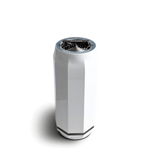
We will also compare the Puraclenz Core and Puraclenz Photon to help you determine which air and surface purifier best fits your indoor environment.
Why Choosing the Right Air Purifier Matters
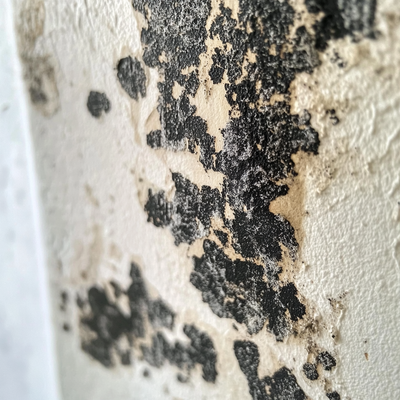
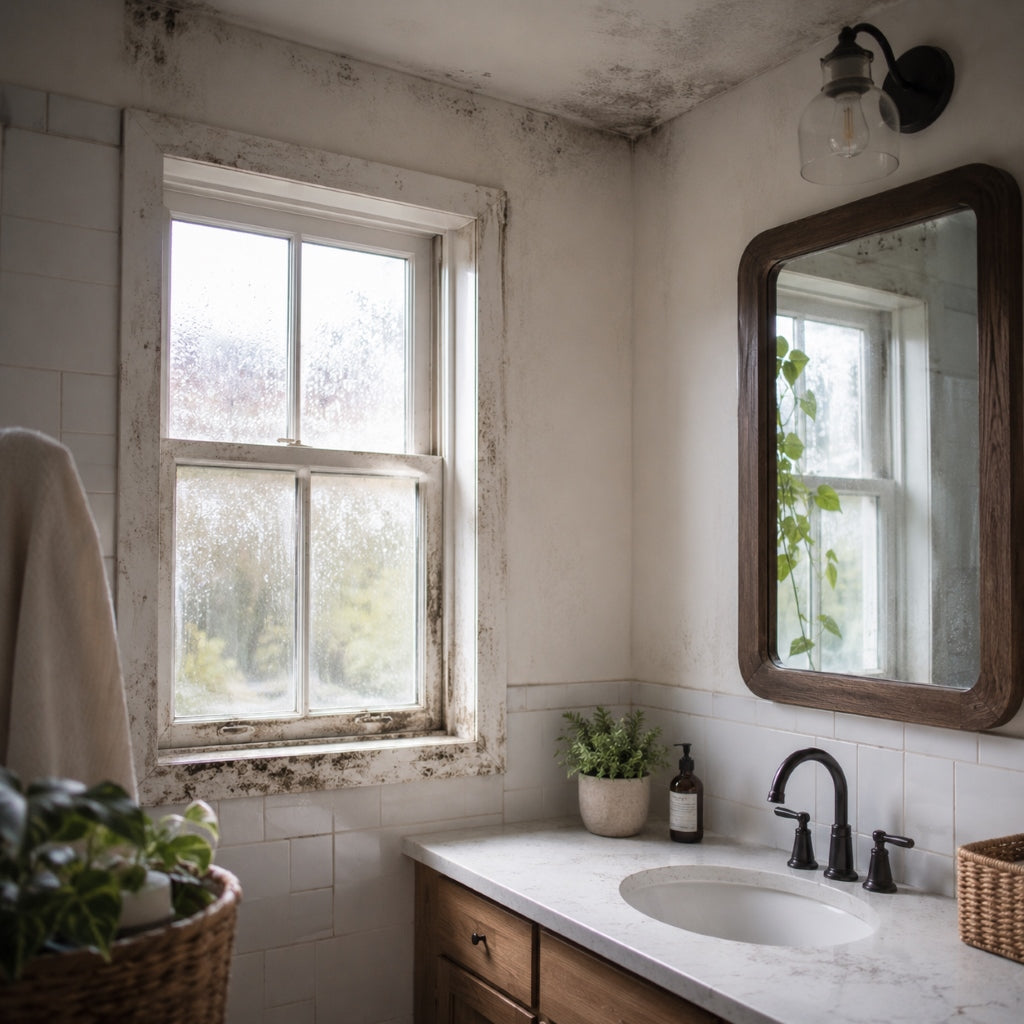
Indoor air can contain a mixture of dust, pet dander, pollen, smoke particles, odors, volatile organic compounds (VOCs), mold1 spores, bacteria3, viruses2, and other airborne pollutants. Because every home has different indoor air quality concerns, choosing the right purification technology is important.
A quality air purifier should match:
- The size and layout of your home
- Your primary indoor air concerns
- Your maintenance preferences
- Your preferred noise level
- Your budget

How to Choose an Air Purifier
When deciding how to choose an air purifier, start by answering a few key questions about your space and indoor air quality needs.
1. How Large Is Your Space?
Coverage area is one of the most important differences between air purifier models.
A compact unit may be sufficient for a bedroom, office, or other enclosed room. Larger homes and open-concept spaces may benefit from systems designed to provide broader coverage.
Puraclenz Photon uses patented PCO technology to help treat the air and exposed surfaces in spaces up to 3,000 square feet. the Core combines PCO technology with True HEPA filtration, providing PCO coverage up to 3,000 square feet and HEPA filtration coverage up to 1,575 square feet.
2. Which Pollutants Are You Trying to Reduce?
Different purification technologies are designed to address different indoor air concerns.
| Indoor Air Concern | Helpful Technology |
|---|---|
| Dust | HEPA filtration |
| Pet dander | HEPA filtration |
| Pollen | HEPA filtration |
| Smoke particles | HEPA filtration and activated carbon |
| Household odors | Activated carbon and PCO technology |
| Mold1 spores | PCO technology and HEPA filtration |
| Pollutants in the air and on exposed surfaces | PCO technology |
Traditional filtration captures particles as air passes through the purifier. PCO technology works differently by generating reactive ions that disperse throughout the treated space to help reduce pollutants in the air and on exposed surfaces.
3. Do You Want Filtration or Air and Surface Purification?
Many traditional air purifiers rely primarily on filters. These filters can capture particles that pass through the unit, but filtration alone does not actively treat pollutants on exposed surfaces throughout the room.
An air and surface purifier uses active purification technology that works beyond the purifier itself. This can be especially valuable in homes where airborne particles regularly settle onto furniture, flooring, walls, countertops, and other exposed surfaces.
Understanding Air Purifier Technologies
True HEPA Filtration
An air purifier with a True HEPA filter is designed to capture very small airborne particles, including dust, pollen, pet dander, smoke particles, and many allergens4.
HEPA filtration remains one of the most widely used technologies for removing particles from indoor air.
Activated Carbon
Activated carbon helps reduce many household odors and VOCs released by cooking, cleaning products, paints, furnishings, and other common indoor sources.
Photocatalytic Oxidation Technology
Puraclenz uses patented photocatalytic oxidation, or PCO, technology to continuously generate ozone-free ions designed to help reduce pollutants in the air and on exposed surfaces.
Independent laboratory testing under controlled conditions has demonstrated reductions involving mold1 spores, viruses2, and bacteria3.
Are Air Purifiers Worth It?
One of the most common questions shoppers ask is whether air purifiers are worth the investment.
For many homeowners, the answer depends on their indoor air quality concerns and the purifier technology they choose. Air purifiers can help reduce airborne particles that contribute to everyday indoor pollution and support cleaner indoor air.
Homes with pets, seasonal pollen, wildfire smoke, dust accumulation, household odors, or elevated humidity may experience recurring indoor air concerns that benefit from continuous purification.
Choosing the right technology is just as important as choosing the right size.
Whole-Home Air Purifier vs. Room Air Purifier
Benefits of Broader-Coverage Air Purifiers
- Designed for larger living areas
- Provide continuous purification
- Work well in open-concept spaces
- May reduce the need for multiple room-based units
Benefits of Portable Room Air Purifiers
- Designed for individual rooms
- Often have a lower initial cost
- Can be relocated as needed
- May be suitable for apartments, bedrooms, and offices
If your goal is to address indoor air quality across a large portion of your home, a broader-coverage air purifier may offer greater convenience than operating several smaller units.
Why Quiet Operation Matters
Many homeowners operate their air purifiers continuously, so noise level can make a meaningful difference.
A quiet air purifier may be more comfortable to use in bedrooms, nurseries, living rooms, and home offices. Puraclenz Core includes Night Mode and operates at noise levels as low as 23 dB on its lowest setting, making it suitable for overnight use.
Puraclenz Core vs. Puraclenz Photon
| Feature | Puraclenz Core | Puraclenz Photon |
|---|---|---|
| PCO Technology | Yes | Yes |
| True HEPA Filtration | Yes | No |
| Activated Carbon | Yes | No |
| UV-C Technology | Yes | No |
| Air and Surface Purification | Yes | Yes |
| PCO Coverage | Up to 3,000 square feet | Up to 3,000 square feet |
| HEPA Coverage | Up to 1,575 square feet | Not applicable |
| Placement | Floor-standing unit | Wall, ceiling, or tabletop placement |
| Best For | Homes seeking combined filtration and active air and surface purification | Homes that already use filtration or want compact PCO purification |
Who Should Choose Puraclenz Core?
The Core may be the better choice if you want:
- True HEPA particle filtration
- PCO air and surface purification
- Activated carbon for odors and VOCs
- UV-C technology
- Broad coverage for larger living spaces
- Automatic air quality monitoring
- Quiet operation with multiple modes
Because Core combines several indoor air quality technologies in one unit, it is designed for homeowners who want a more comprehensive purification solution.

Who Should Choose Puraclenz Photon?
The Photon may be the better fit if you:
- Already use a HEPA air purifier or HVAC filtration
- Want to add active PCO air and surface purification
- Prefer a compact, lightweight design
- Need flexible wall, ceiling, or tabletop placement
- Want PCO coverage without adding another large floor unit
Photon can complement an existing filtration system by adding active purification for pollutants in the air and on exposed surfaces.
Final Thoughts
The best air purifier for your home depends on your space, indoor air quality concerns, and preferred purification technologies.
If you want a comprehensive system that combines True HEPA filtration, activated carbon, UV-C technology, intelligent air quality monitoring, and patented PCO technology, Puraclenz Core offers an all-in-one solution.
If your home already uses HEPA or HVAC filtration and you want to add continuous air and surface purification, Puraclenz Photon provides compact and flexible PCO coverage.
By comparing coverage, filtration, active purification, noise, maintenance, and placement options before purchasing, you can choose an air purifier that better matches your home’s needs.
Recommended products

Core Air & Surface Purifier + HEPA
$649.99

Photon Air & Surface Purifier
$399.99
Recommended articles

